Paackpilot
Inside the archive

Lightning Bolt Exposure Settings

Two photographers, countless storms, and a method of capture we've refined across a decade of night-sky work.

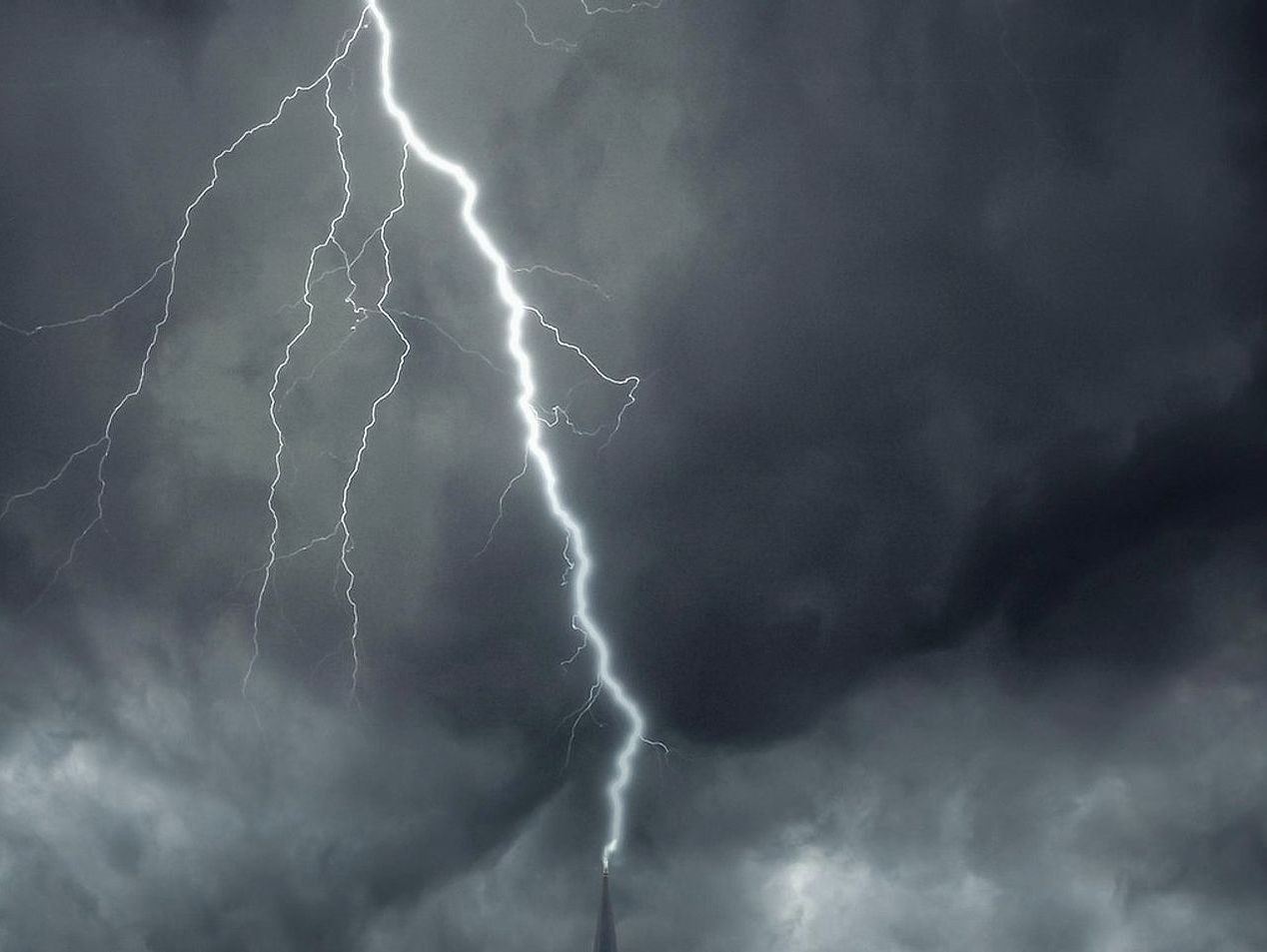
Photographer framing a distant lightning bolt through camera viewfinder
How it started

How to Photograph Storm Clouds at Night

Paackpilot started in a garage darkroom, with one camera and a filing system of storm photographs that mostly taught us what not to do.

The workspace is better equipped now and the gear is professional, but each image is still shot in the field, by photographers who stand behind every frame they take.

We turn down more assignments than we accept. It keeps the work honest and the archive uncompromised.
If a photograph leaves the collection and we would not print it for ourselves, it does not go out at all.

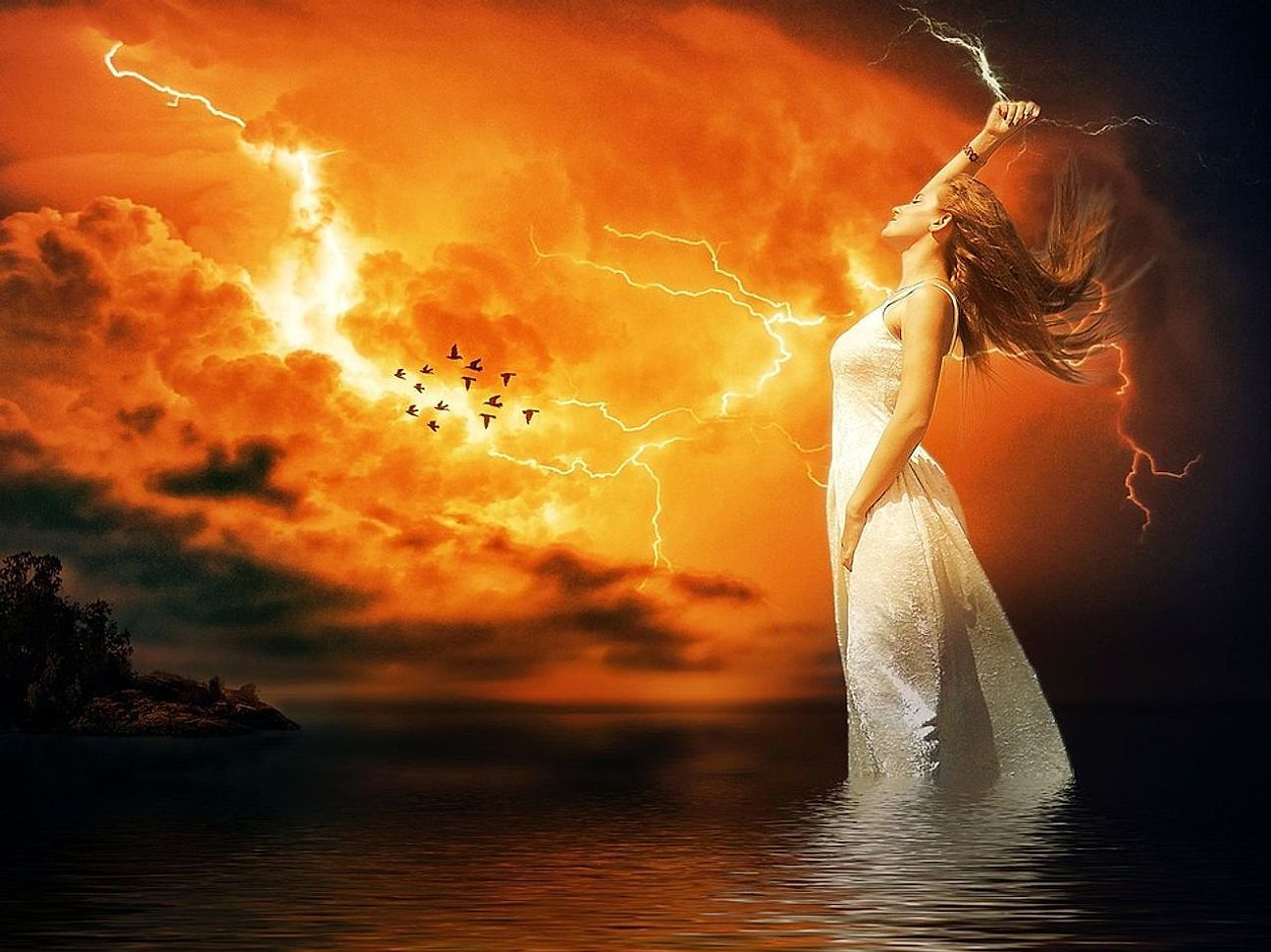
Storm clouds illuminated by a bright electrical discharge at night
Technique

High-speed capture and dramatic light

We source our equipment from trusted manufacturers we've tested in the field, and only stock film and print materials we fully trust before season's end.

Failed frames become studies in composition, and every edit is done here from raw sensor data rather than relying on presets.

In the field

The photographers behind the work

Iris K.Storm tracking and lightning capture

Positions the equipment and shoots every thunderstorm sequence in our portfolio.

Marcus T.Storm chasing and lightning capture

Tracks severe weather and photographs dramatic electrical discharges.

Marcus T.Time-lapse and composition

Sequences night storms frame by frame and builds each shot with precision.

Workflow

How a lightning photograph comes together

01

Scouting

We start by tracking weather patterns and positioning for the best vantage.

02

Shooting

Everything is captured in the field, by the same eye and equipment.

03

Processing

Each frame is reviewed, color-graded and archived before final delivery.

Ready to commission storm photography?

Capturing Lightning Bolts